
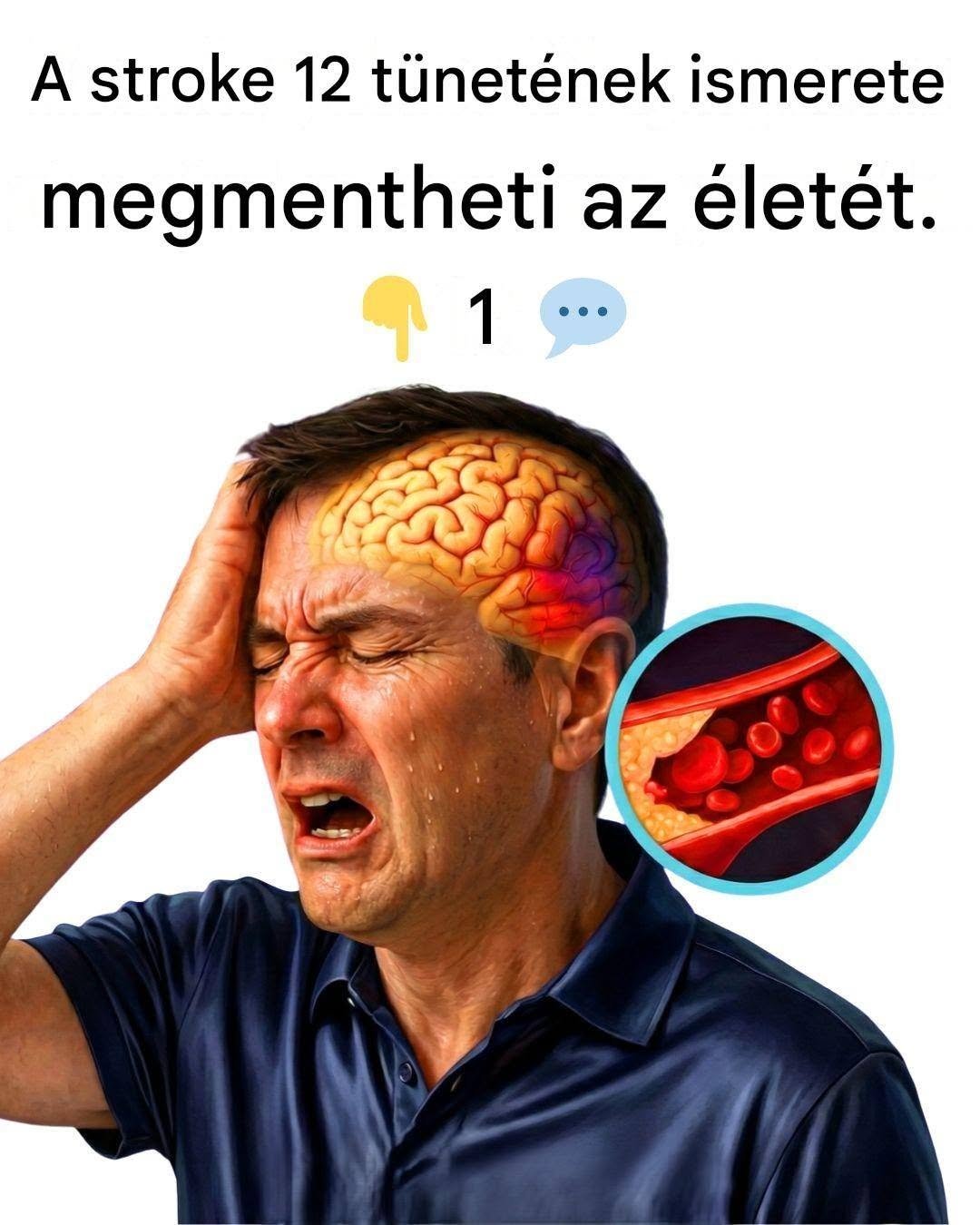
A blood clot can form and arterial plaque can break off anywhere in the circulatory system. If such a mass moves up to the brain and reaches a blood vessel too small for it to pass through, it can get stuck there. This is called an embolic stroke.
A thrombotic stroke refers to the situation in which a blood clot forms inside one of the arteries that bring blood to the brain, causing a blockage.
A transient ischemic attack (TIA) is commonly called a “mini-stroke”. It is atemporary blockage of blood to the brain and causes no long-term damage. Symptoms of a stroke may manifest themselves but will pass within a few minutes. It is critically important to see a healthcare provider if you think you may have experienced a TIA—it’s often a precursor to a full-blown ischemic stroke.
Stroke can occur without warning in anyone, including children. The following are the primary risk factors for stroke.
Alcohol and other substance abuse, e.g., cocaine, methamphetamine
Atherosclerosis or other cardiovascular diseases.
Chronically high cholesterol
Diabetes
Genetics/heredity
Hypertension
Long-term use of some medications, including non-steroidal anti-inflammatory drugs (NSAID), includingibuprofen and naproxen
Obesity
Poor diet
Sedentary lifestyle
Sickle cell disease
Smoking cigarettes
Stress and depression
Age and sex – the risk of stroke increases with age. In people under the age of 60, men are more likely than women to suffer stroke but women are more likely to die as a result
Race/ethnicity – in North America, African- and Native Americans are more likely to have strokes than other ethnic groups
12 Symptoms of a Stroke
Stroke symptoms depend on the part of the brain affected by the shutdown of blood supply. Knowing the signs of a stroke can mean the
difference between getting medical attention quick enough to prevent severe damage and a life of disability.
Pain on One Side of the Face
Sudden and inexplicable pain on one side of the face, arm, leg, or chest isn’t typical but it’s not uncommon. Women are more likely to experience atypical stroke symptoms, so better to be safe than sorry.
Sudden difficulty in seeing clearly, such as blurred or double vision, inability to focus your eye(s), or other changes in sight (in one or both eyes) can signal a stroke.
Difficulty Breathing or Swallowing
Women can experience different symptoms of astroke than men. Having difficulty breathing or swallowing are two of these. These other signs of stroke are more common in women: fainting, irritation, hallucination, nausea or vomiting, sudden pain, seizures, hiccups.
Tremors
Delayed onset hand tremors are a relatively uncommon but confirmed symptom of cerebral infarction—obstruction of blood supply to the brain. (7)
Loss of Balance
Sudden dizziness, lack of coordination, or loss of balance are common stroke symptoms and should be taken seriously. 6. Difficult to Walk
Sudden numbness or tingling anywhere in the body (“pins and needles”) or instability and trouble with normal walking can be signsof a stroke. (9)
Facial Paralysis
This is probably the best-known symptom of stroke. Sudden numbness/weakness/paralysis of one side of the face, arm, or leg can tell you a stroke is in progress.
“Try to raise both your arms over your head at the same time. If one arm begins to fall, you may be having a stroke. Similarly, one side of your mouth may droop when you try to smile,” warns the Mayo Clinic.
Headache
A normal headache feels like a dull squeeze of the head and occurs with no other symptoms of a stroke. A migraine is a
A többi a következő oldalon található
